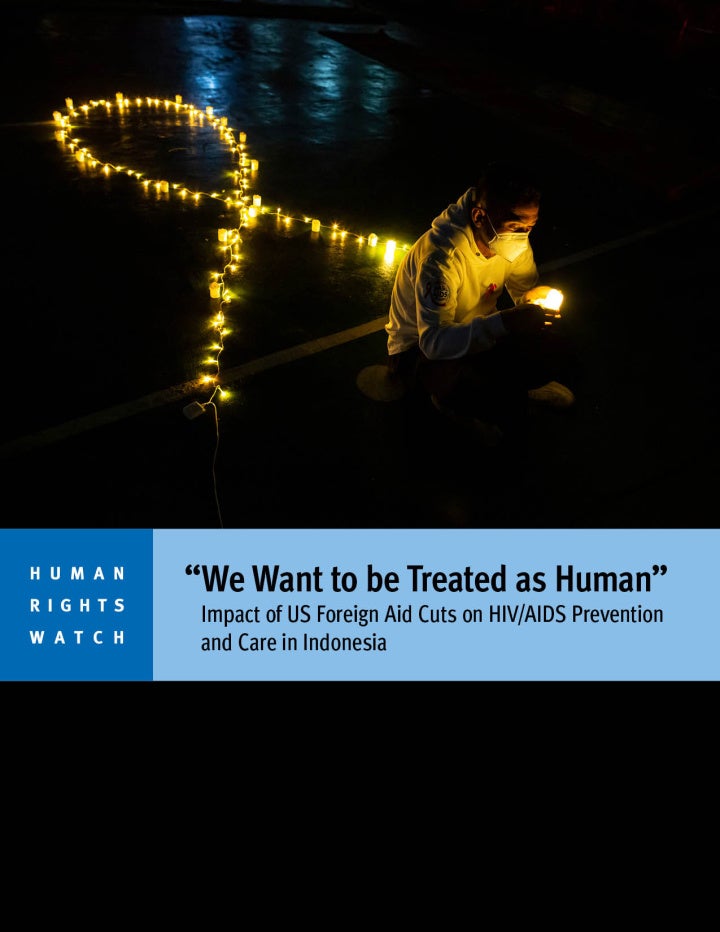
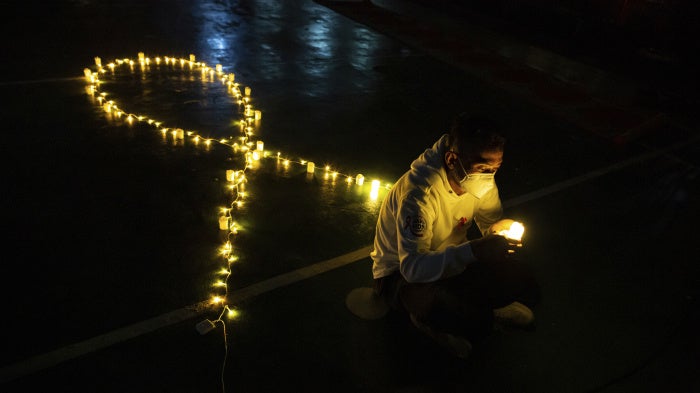
Impact of US Foreign Aid Cuts on HIV/AIDS Prevention and Care in Indonesia
The 33-page report, “‘We Want to Be Treated as Human’: Impact of US Foreign Aid Cuts on HIV/AIDS Prevention and Care in Indonesia,” documents the Trump administration’s dismantling of the US Agency for International Development (USAID) and finds that it eliminated services for people at greatest risk of HIV, creating additional barriers to testing, prevention, and lifesaving treatment. The Indonesian government and international donors should urgently restore support for community-led HIV/AIDS services.
This report focuses mainly on one aspect of the criminal justice system and its handling of violence against women: the performance of those involved in the provision of medical expertise to the courts when it is alleged that women have been abused. Medical evidence is often a crucial element in the investigation and prosecution of a case of rape or sexual assault.
A Policy of Fatal Neglect in China’s State Orphanages
China’s claim to guarantee the “right to subsistence” conceals a secret world of starvation, disease, and unnatural death a world into which thousands of Chinese citizens disappear each year.
The new South African government has pledged to ensure women a full and equal role in every aspect of the economy and society. Yet South African women continue to face extraordinarily high levels of violence which prevent them from enjoying the rights they are guaranteed under the new dispensation.
Since January 1990, the north Indian state of Jammu and Kashmir has been the site of a brutal conflict between Indian security forces and armed Muslim insurgents demanding independence or accession to Pakistan.
The vicious conflict in Kashmir, now in its fourth year, is characterized by the Indian army’s and other security forces’ blatant disregard for international norms of medical neutrality.
Over 70 percent of women in jail in Pakistan report sexual abuse by police officials. Despite the high incidence of rape and sexual torture of female detainees, no police official has been subjected to criminal punishment for these abuses.
The Brazilian government is failing to prosecute violence against women in the home fully and fairly. Despite ever-increasing domestic violence (particularly wife-murder, battery and rap) impunity and discriminatory treatment in favor of the perpetrators of domestic violence are still the rule in the Brazilian justice system.
Shortly after Nicolar Ceauscu was overthrown on December 22, 1989, the world was exposed for the first time to the shocking images of Romania's orphans, expecially its handicapped children and babies with AIDS.