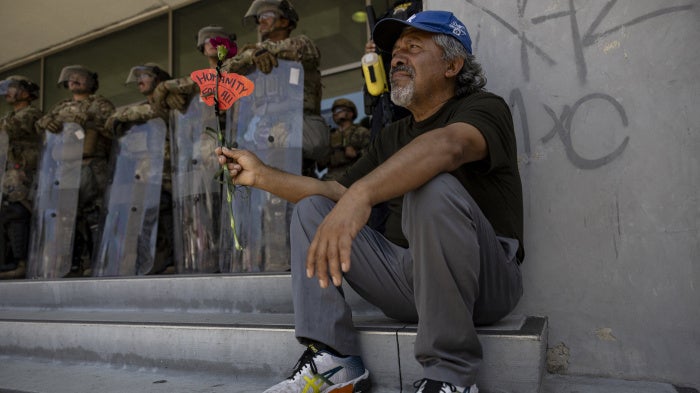
“A Strategy of Death”
A new investigation and accompanying feature detail how police officers tampered with body cameras during a deadly raid in Rio de Janeiro in October 2025 and how Human Rights Watch investigators analyzed the evidence.
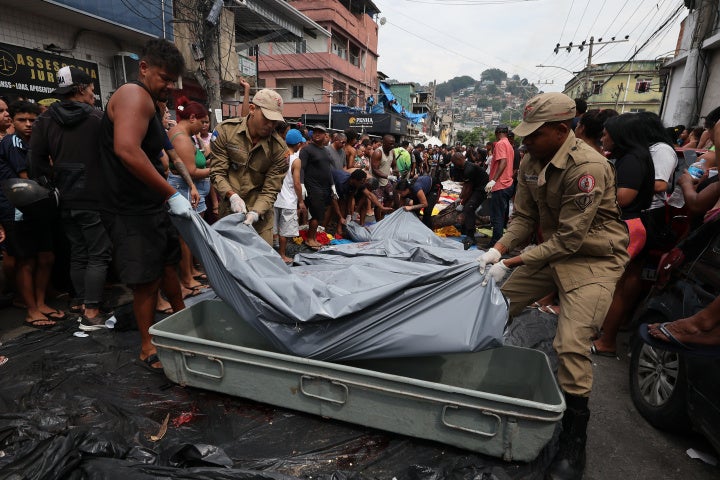
A new investigation and accompanying feature detail how police officers tampered with body cameras during a deadly raid in Rio de Janeiro in October 2025 and how Human Rights Watch investigators analyzed the evidence.
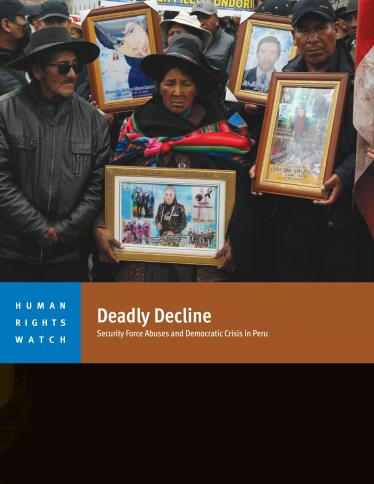
The 107-page report, “Deadly Decline: Security Force Abuses and Democratic Crisis in Peru,” documents excessive use of force by security forces, due process violations and abuses against detainees, and failures in criminal investigations, as well as the entrenched political and social crisis that is eroding the rule of law and human rights in Peru. While some protesters were responsible for acts of violence, security forces responded with grossly disproportionate force, including with assault weapons and handguns. Forty-nine protesters and bystanders, including 8 children, were killed.
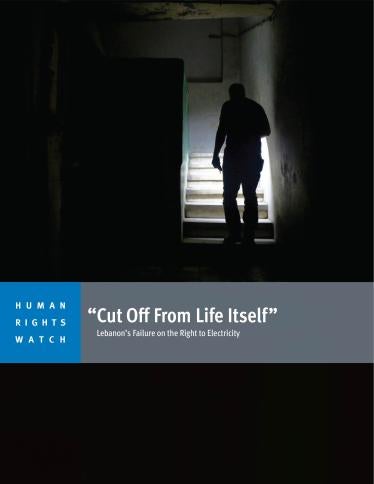
The 127-page report, “‘Cut Off from Life Itself’: Lebanon’s Failure on the Right to Electricity,” argues that electricity is fundamental to nearly every aspect of living and participating in present- day societies, and as such, the internationally protected right to an adequate standard of living includes the right of everyone, without discrimination, to sufficient, reliable, safe, clean, accessible, and affordable electricity. At present, the government provides electricity for only one to three hours a day on average, while people who can afford it supplement that supply with private generators. The public sector and private generator industry rely on polluting climate-intensive fossil fuels. The electricity crisis has exacerbated inequality in the country, severely limited people’s ability to realize their most basic rights, and pushed them further into poverty.