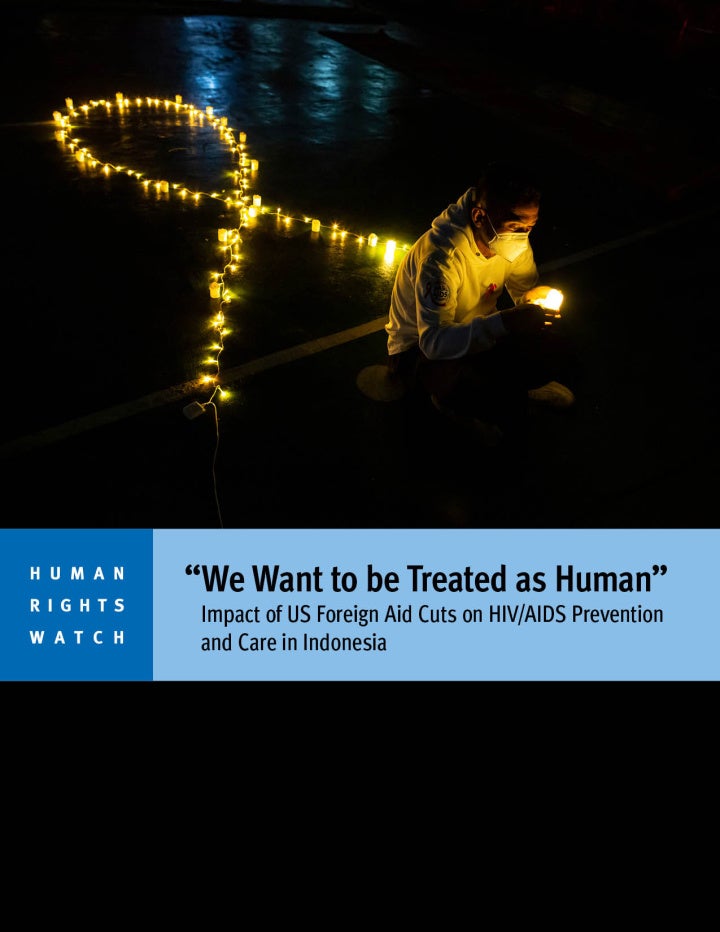
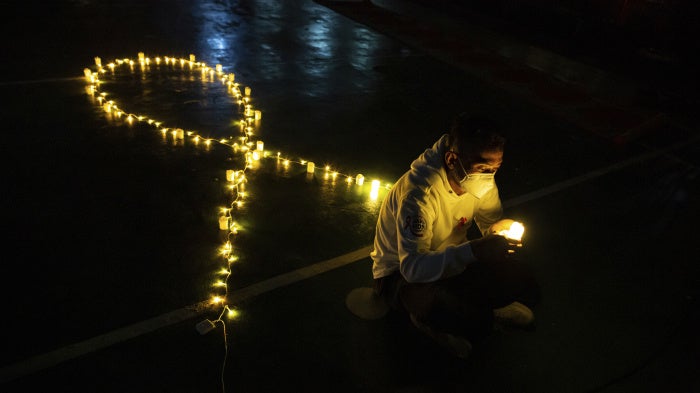
Impact of US Foreign Aid Cuts on HIV/AIDS Prevention and Care in Indonesia
The 33-page report, “‘We Want to Be Treated as Human’: Impact of US Foreign Aid Cuts on HIV/AIDS Prevention and Care in Indonesia,” documents the Trump administration’s dismantling of the US Agency for International Development (USAID) and finds that it eliminated services for people at greatest risk of HIV, creating additional barriers to testing, prevention, and lifesaving treatment. The Indonesian government and international donors should urgently restore support for community-led HIV/AIDS services.
Mining, Regulatory Failure, and Human Rights in India
This 70-page report finds that deep-rooted shortcomings in the design and implementation of key policies have effectively left mine operators to supervise themselves. This has fueled pervasive lawlessness in India’s scandal-ridden mining industry and threatens serious harm to mining-affected communities.
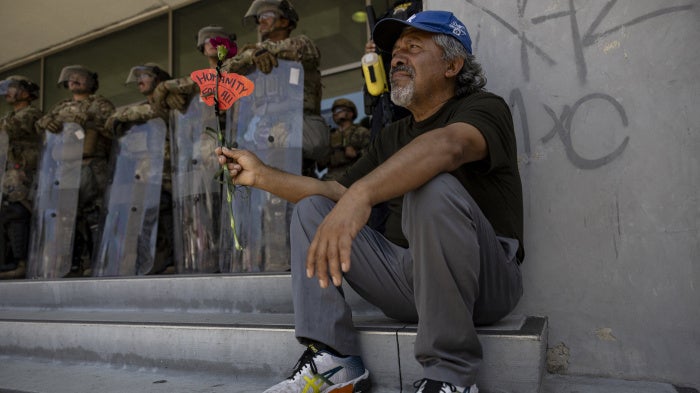
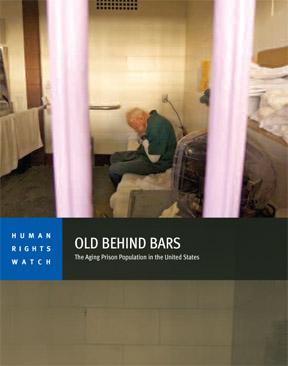
<p>This report includes new data Human Rights Watch developed from a variety of federal and state sources that document dramatic increases in the number of older US prisoners.</p>
Prison Conditions for Youth Offenders Serving Life without Parole Sentences in the United States
This 47-page report draws on six years of research, and interviews and correspondence with correctional officials and hundreds of youth offenders serving life without parole. Human Rights Watch found that nearly every youth offender serving life without parole reported physical violence or sexual abuse by other inmates or corrections officers.
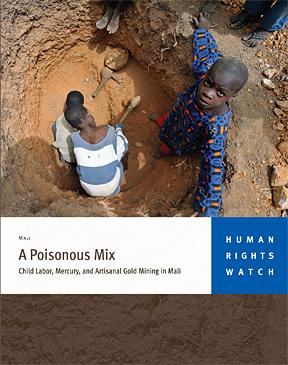
Child Labor, Mercury, and Artisanal Gold Mining in Mali
This 108-page report reveals that children as young as six dig mining shafts, work underground, pull up heavy weights of ore, and carry, crush, and pan ore. Many children also work with mercury, a toxic substance, to separate the gold from the ore. Mercury attacks the central nervous system and is particularly harmful to children.
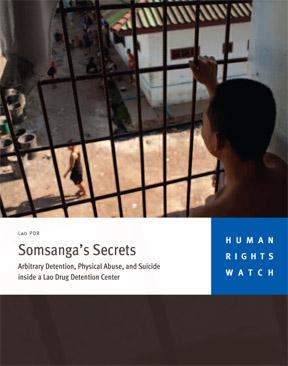
Arbitrary Detention, Physical Abuse, and Suicide inside a Lao Drug Detention Center
This report examines conditions in the Somsanga Treatment and Rehabilitation Center, which has received a decade of international support from the United States, the United Nations, and other donors. Detainees are held without due process, and many are locked in cells inside barbed wire compounds.
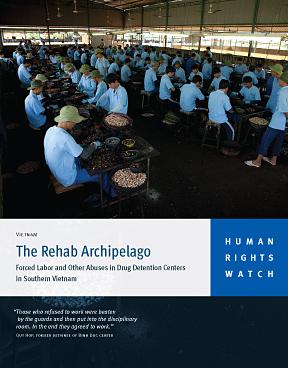
Forced Labor and Other Abuses in Drug Detention Centers in Southern Vietnam
The 121-page report documents the experiences of people confined to 14 detention centers under the authority of the Ho Chi Minh City government. Refusing to work, or violating center rules, results in punishment that in some cases is torture.
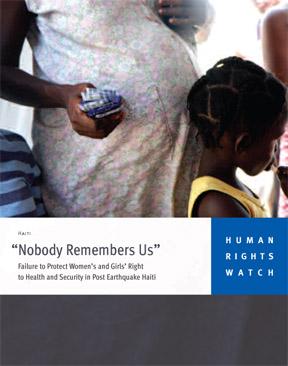
Failure to Protect Women’s and Girls’ Right to Health and Security in Post-Earthquake Haiti
This documents the lack of access to reproductive and maternal care in post-earthquake Haiti, even with unprecedented availability of free healthcare services. The report also describes how hunger has led women to trade sex for food and how poor camp conditions exacerbate the impact of sexual violence because of difficulties accessing post-rape care.
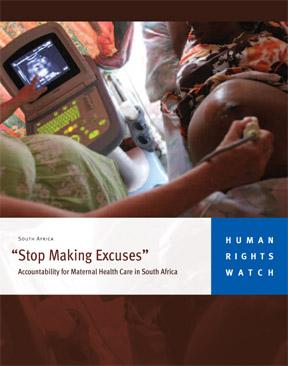
Accountability for Maternal Health Care in South Africa
This report documents maternity care failures that include abuse of maternity patients by health workers and substandard care in Eastern Cape Province, putting women and their newborns at high risk of death or injury. It examines shortcomings in the tools used by health authorities to identify and correct health system failures that contribute to poor maternal health.
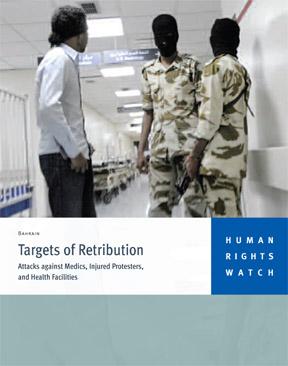
Attacks against Medics, Injured Protesters, and Health Facilities
This report documents serious government abuses, starting in mid-February 2011. These include attacks on health care providers; denial of medical access to protesters injured by security forces; the siege of hospitals and health centers; and the detention, ill-treatment, torture, and prosecution of medics and patients with protest-related injuries.
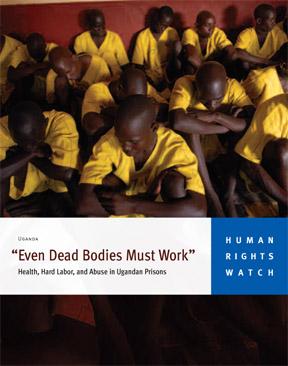
This 80-page report documents routine physical abuse and the failure of the criminal justice system to protect the rights of prisoners. Prisoners at rural prisons, including the elderly, individuals with disabilities, and pregnant women, are frequently caned, or are even stoned, handcuffed to a tree, or burned, when they refuse to perform hard labor.
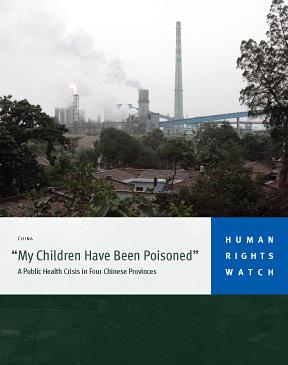
This 75-page report draws on research in heavily lead-contaminated villages in Henan, Yunnan, Shaanxi, and Hunan provinces. The report documents how, despite increasing regulation and sporadic enforcement targeting polluting factories, local authorities are ignoring the urgent and long-term health consequences of a generation of children continuously exposed to life-threatening levels of lead.
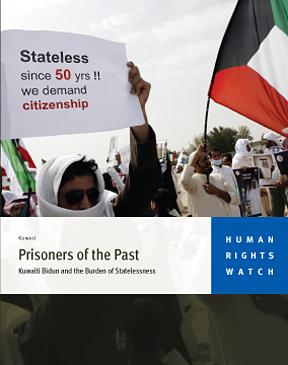
This 63-page report describes how Kuwait, one of the world’s richest countries, forces the Bidun to live under the radar of normal society, vulnerable and without protection. Many live in poverty.
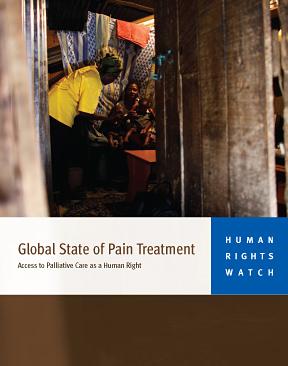
This 128-page report details the failure of many governments to take even basic steps to ensure that people with severe pain due to cancer, HIV, and other serious illnesses have access to palliative care, a health service that seeks to improve quality of life. As a result, millions of patients live and die in great agony that could easily be prevented, Human Rights Watch said.
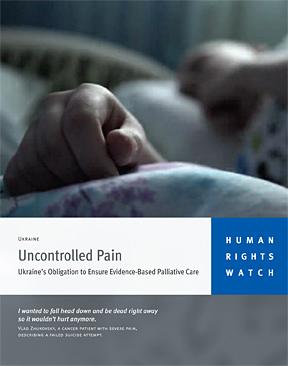
Ukraine’s Obligation to Ensure Evidence-Based Palliative Care
This 93-page report describes Ukrainian government policies that make it impossible for cancer patients living in rural areas to get essential pain medications. While most cancer patients in cities have access to some medications, the treatment they receive is inadequate and provides only limited relief, Human Rights Watch found.