Impact of US Foreign Aid Cuts on HIV/AIDS Prevention and Care in Indonesia
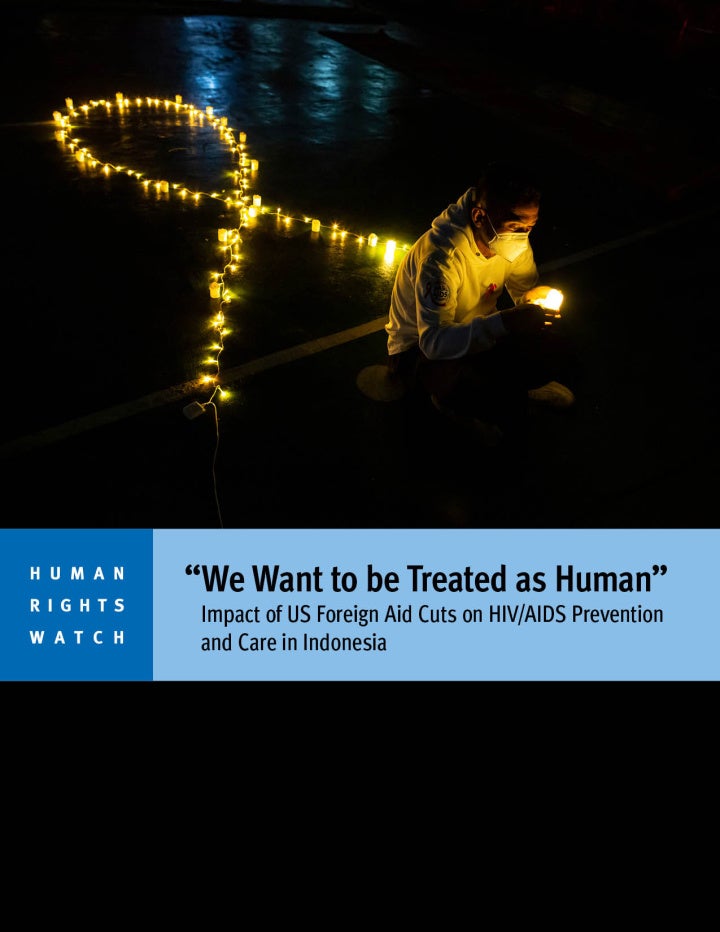
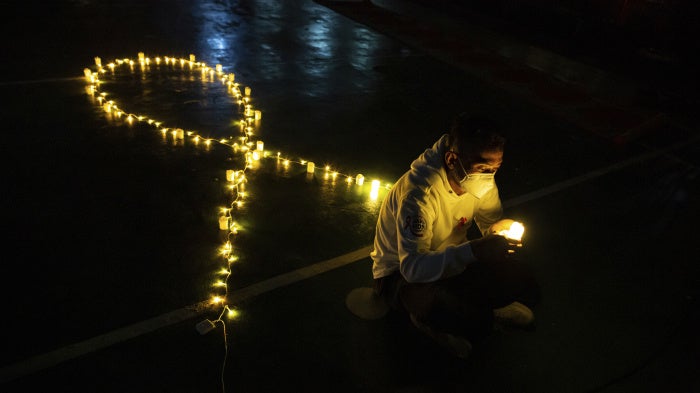
The 33-page report, “‘We Want to Be Treated as Human’: Impact of US Foreign Aid Cuts on HIV/AIDS Prevention and Care in Indonesia,” documents the Trump administration’s dismantling of the US Agency for International Development (USAID) and finds that it eliminated services for people at greatest risk of HIV, creating additional barriers to testing, prevention, and lifesaving treatment. The Indonesian government and international donors should urgently restore support for community-led HIV/AIDS services.
Some 160 million people in India live a precarious existence, shunned by much of society because of their rank as "untouchables" or Dalits—literally meaning "broken" people—at the bottom of India's caste system.
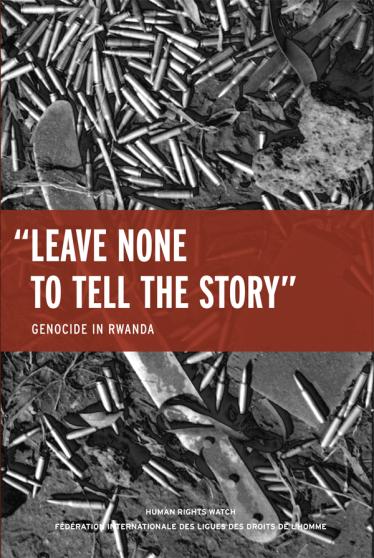
In 1994 a small elite chose genocide to keep power in Rwanda. They used state resources and authority to incite - or force - tens of thousands of Rwandans to kill the Tutsi minority. Within one hundred days, they slaughtered more than half a million people, three quarters of the Tutsi of Rwanda. The major international actors, France, the U.S., Belgium, and the U.N., failed to heed the warnings of coming disaster and refused to recognize the genocide when it began. They withdrew the troops that could have saved lives and made little protest against the genocide, lest condemnation lead to calls for action.
More than one-sixth of India's population, some 160 million people, live a precarious existence, shunned by much of society because of their rank as "untouchables" or Dalits-literally meaning "broken" people[4]-at the bottom of India's caste system. Dalits are discriminated against, denied access to land, forced to work in degrading conditions, and routinely abused at the hands of the police and of higher-caste groups that enjoy the state's protection. In what has been called India's "hidden apartheid," entire villages in many Indian states remain completely segregated by caste. National legislation and constitutional protections serve only to mask the social realities of discrimination and violence faced by those living below the "pollution line."
Corporate Responsibility and Human Rights Violations in Nigeria’s Oil Producing Communities
This report is an exploration of human rights violations related to oil exploration and productionin the Niger Delta, and of the role and responsibilities of the major multinational oil companies inrespect of those violations.
During her visit to Beijing, Albright will lay the groundwork for Premier Zhu Rongji's summit meetings in Washington, D.C. in early April. Albright is expected to raise human rights issues brought up by President Clinton during his visit to China last year on which there has been no progress, and in some cases, major setbacks have occurred.
With the disintegration of the rule of law in Congo and elsewhere in the region, Congo has become the battle ground for the interests of its neighbors and a Congolese political and military elite—all at the expense of Congolese civilians.
This report charges that the Sudanese government's abusive tactics, and the predatory practices of rebel forces and government-sponsored tribal militia, have turned this famine into a disaster requiring the largest emergency relief operation in the world in 1998,and the largest airlift operation since the Berlin airlift.
This report documents serious violations of international humanitarian law committed by Serbianand Yugoslav government forces in Kosovo's Drenica region during the last week of September1998.
The historic Good Friday Agreement states that the Independent Commission on Policing for Northern Ireland must work to ensure that future policing structures and arrangements result in a policing service that "operates within a coherent and co-operative criminal justice system, which conforms with human rights norms." This imperative exemplifies the parties' commitment to a number of basic princi
This report examines the situation of the ethnic Turkish minority of Thrace, a region of Greece. It serves as a follow-up to two earlier reports issued by Human Rights Watch, Destroying Ethnic Identity: The Turks of Greece (August 1990) and "Greece: Improvements for Turkish Minority;Problems Remain" (April 1992).
Jamaican Children in Police Detention and Government Institutions
In the island nation of Jamaica, many children-often as young as twelve or thirteen-are detained for long periods, sometimes six months or more, in filthy and overcrowded police lockups, in spite of international standards and Jamaican laws that forbid such treatment.
Torture, “Disappearance,” and Extrajudicial Execution in Mexico
Torture, "disappearances," and extrajudicial executions remain widespread in Mexico, despitenumerous legal and institutional reforms adduced by successive Mexican governments asevidence of their commitment to protecting human rights. Indeed, reforms have taken place, butthey have failed to abate, much less resolve, these serious, seemingly intractable problems.
Under the pretext of “depoliticizing” the campuses, the Serbian parliament in May 1998 enacted a law that removed basic protections for academic freedom and destroyed the autonomy of universities in Serbia.