Impact

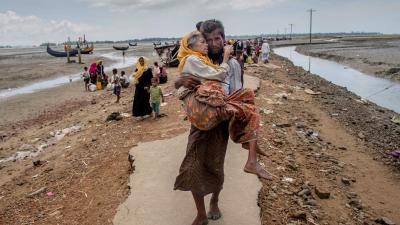
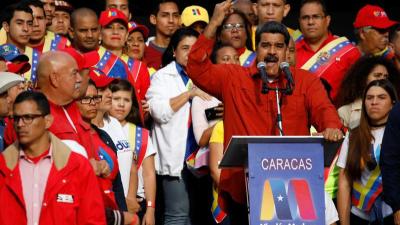
By investigating and exposing human rights abuses, we work to create a world where everyone is treated fairly and equitably, no matter their race, religion, or beliefs. We call for action so that people who disagree with their government can speak their opinions freely, so that children are protected, and refugees cared for. All of us, regardless of who we are, who we love, or the color of our skin, should be able to enjoy fully our human rights.

BROWSE ALL IMPACT ›

Change is sometimes immediate, sometimes incremental. We work on issues for years and know from experience how to transform deep-rooted problems. Here are examples of some of the recent impact we have made, together with our partners, in advancing human rights around the world.

How do we bring about change?

Investigate
Our researchers investigate human rights abuses, first by speaking with victims or witnesses. We corroborate their stories using a variety of sources, including government records, weapons’ fragments, satellite imagery, and the statements of accused perpetrators – be they members of governments, armed groups, or companies. We often do this work together with partner activists.

Expose
We share this information widely, in multiple languages, to help shape public debate. Our reports, videos, and social media posts show up hundreds of times daily in news media around the world, bringing both global and local attention to our rigorously fact-checked findings.

Change
Often in coalition with local groups, we bring our findings to officials who have the power to change things. For every issue we work on, we make specific, concrete policy recommendations that will bring people justice, prevent future abuses, and protect human rights.
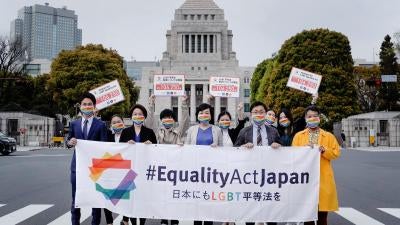
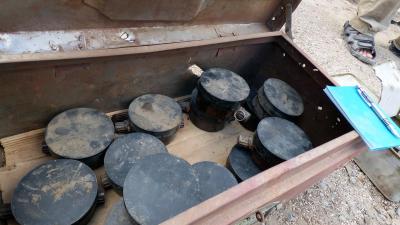
Our work has been instrumental in some foundational victories for human rights, including our work on banning landmines worldwide, for which we and our partners received the 1997 Nobel Peace Prize. Below are some examples of our historic impact.

All impact

  • June 9, 2020
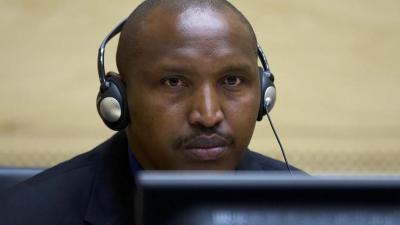
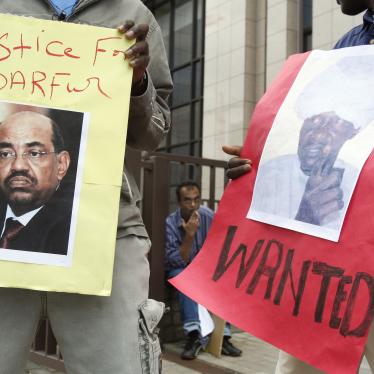
    The surrender of Ali Kosheib to the International Criminal Court is a major advance for justice for victims of atrocities in Darfur and their families.
    Protesters hold posters of Sudan's then-President Omar Hassan al-Bashir and Janjaweed leader Ali Kosheib (R) outside the European Union Council in Brussels, July 2008.
  • June 5, 2020
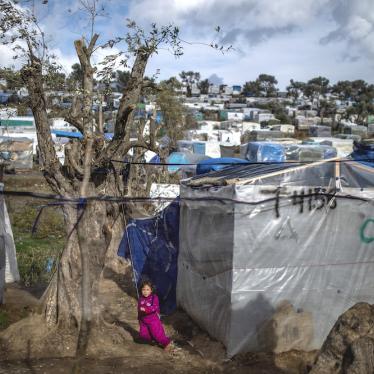
    Greece’s month-long suspension of its asylum system, closed in reaction to Turkey encouraging migrants and asylum seekers to cross into Greece, ended on April 1. The asylum system however was closed again through May 18, citing Covid-19, but is now operating.
    A child plays in a temporary tent camp near the camp for migrants in Moria, Lesbos which is overcrowded and lacks adequate hygiene facilities and sanitation, putting migrants, including pregnant people, at particular risk amid Covid-19
  • May 26, 2020
    For the first time, Brazils’ Attorney General’s office has produced a report analyzing violence against Indigenous peoples, Afro-Brazilian rural communities, and other at-risk rural communities by people engaged in illegal logging, mining, and land grabbing, mostly in the Amazon.
    201909AME_Brazil_Rainforest_Defenders_photo
  • May 18, 2020
    The arrest of Félicien Kabuga, one of the alleged masterminds behind the Rwandan genocide, in France on May 16, 2020 brings victims and survivors one step closer to justice 26 years later.
    Félicien Kabuga on his US Department of State wanted poster.
  • April 23, 2020
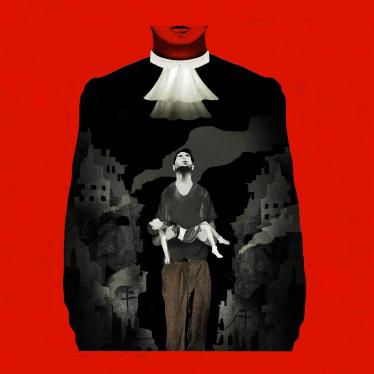
    The start of a landmark trial in Germany of two people alleged to be former Syrian intelligence officials on crimes against humanity charges is an important chance for victims to see justice done.
    Illustration © 2017 Brian Stauffer for Human Rights Watch
  • March 8, 2020
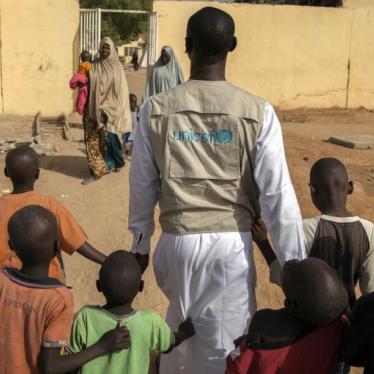
    Several months ago, we traveled to northeast Nigeria to interview children who had been imprisoned on suspicion of being members of the extremist armed group Boko Haram. Yesterday the Nigerian military released 86 children and youth from a military prison. This is great news.
    UNICEF photo
  • February 14, 2020
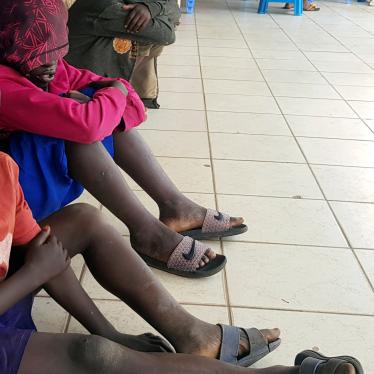
    The United Nations Committee on the Rights of the Child’s call for Rwanda to take “urgent measures” to end abuse of street children should be carried out immediately.
    Street children sit on the verandah of a house in Kigali, Rwanda’s capital city, on January 22, 2020.
  • February 12, 2020
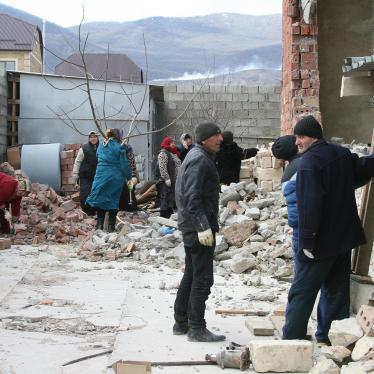
    Justice is finally coming to the small, remote village of Vremenny, located in Dagestan, the largest and arguably the most complex region of Russia’s Northern Caucasus. The residents there are finally being compensated after an abusive 2014 counterterrorism operation practically destroyed the village.
    Local residents cleaning up the debris of a house destroyed in a counterinsurgency operation in Novyi Agachaul, Dagestan, February 2014.  © 2014 Varvara Pakhomenko