Impact

By investigating and exposing human rights abuses, we work to create a world where everyone is treated fairly and equitably, no matter their race, religion, or beliefs. We call for action so that people who disagree with their government can speak their opinions freely, so that children are protected, and refugees cared for. All of us, regardless of who we are, who we love, or the color of our skin, should be able to enjoy fully our human rights.

BROWSE ALL IMPACT ›

Change is sometimes immediate, sometimes incremental. We work on issues for years and know from experience how to transform deep-rooted problems. Here are examples of some of the recent impact we have made, together with our partners, in advancing human rights around the world.

How do we bring about change?

Investigate
Our researchers investigate human rights abuses, first by speaking with victims or witnesses. We corroborate their stories using a variety of sources, including government records, weapons’ fragments, satellite imagery, and the statements of accused perpetrators – be they members of governments, armed groups, or companies. We often do this work together with partner activists.

Expose
We share this information widely, in multiple languages, to help shape public debate. Our reports, videos, and social media posts show up hundreds of times daily in news media around the world, bringing both global and local attention to our rigorously fact-checked findings.

Change
Often in coalition with local groups, we bring our findings to officials who have the power to change things. For every issue we work on, we make specific, concrete policy recommendations that will bring people justice, prevent future abuses, and protect human rights.
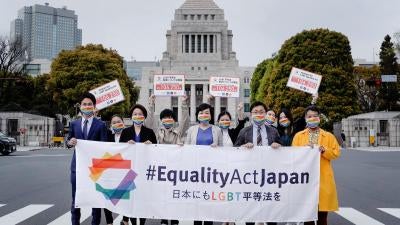
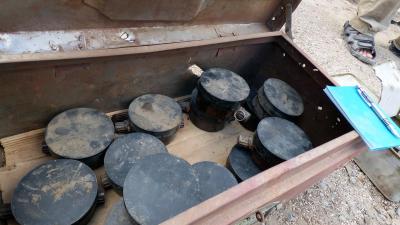
Our work has been instrumental in some foundational victories for human rights, including our work on banning landmines worldwide, for which we and our partners received the 1997 Nobel Peace Prize. Below are some examples of our historic impact.

All impact

  • February 7, 2020
    The United States Congress is investigating the Trump administration’s Migrant Protection Protocols program, which forces people seeking asylum in the US to wait in Mexico while their asylum requests are processed.
    202001wr_US_human_rights
  • January 27, 2020
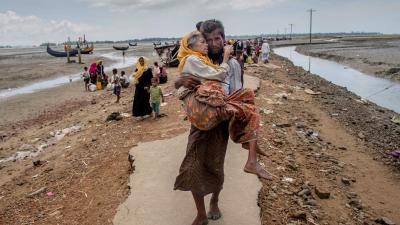
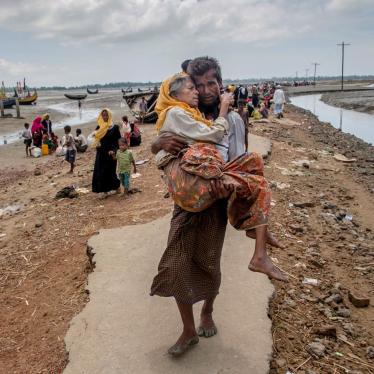
    On January 23, 2020, the International Court of Justice (ICJ) in The Hague ordered Myanmar to take all necessary measures to protect Rohingya Muslims from genocide. The associate director of Human Rights Watch’s international justice program, Param-Preet Singh, tells Amy Braunschweiger how this court order is a first – but huge – step to hold Myanmar accountable for its atrocities against the Rohingya.
    Abdul Kareem, a Rohingya Muslim, carries his mother, Alima Khatoon, to a refugee camp after crossing from Burma into Bangladesh on Sept. 16, 2017.
  • January 23, 2020
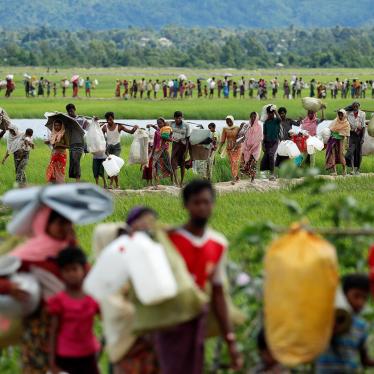
    The International Court of Justice order directing Myanmar to prevent all genocidal acts against Rohingya Muslims is crucial for protecting the remaining Rohingya in Rakhine State.
    Rohingya refugees walk through rice fields after crossing the border from Myanmar into Palang Khali, Bangladesh, October 19, 2017.
  • December 16, 2019
    Four European development banks have announced they will require a major palm oil company in the Democratic Republic of Congo to take steps to redress human rights abuses recently reported by Human Rights Watch.
    201911ENV_DRC_reportphotos
  • December 10, 2019
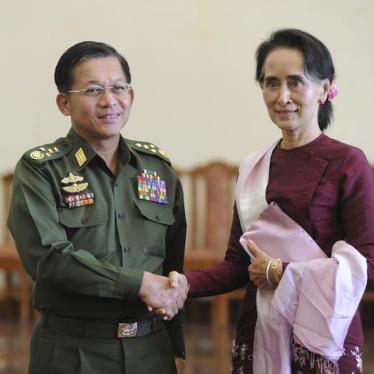
    The US Treasury Department finally has acted on repeated recommendations from human rights organizations, including Human Rights Watch, and announced sanctions against senior commanders in the Myanmar military.
    Aung San Suu Kyi and Senior General Min Aung Hlaing.
  • November 20, 2019
    Amazon took a useful first step toward transparency on November 15, 2019 by publicly disclosing on its website the names, addresses, and other details of over 1,000 facilities that produce Amazon-branded products, a broad coalition of human rights groups, labor rights organizations, and global unions said today. But the list is not easily accessible, sortable, or sufficiently specific to learn the type of products made in each of the listed facilities, limiting its value for consumers, workers, and labor advocates.
    201911wrd_amazon
  • November 7, 2019
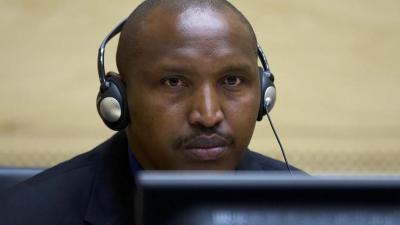
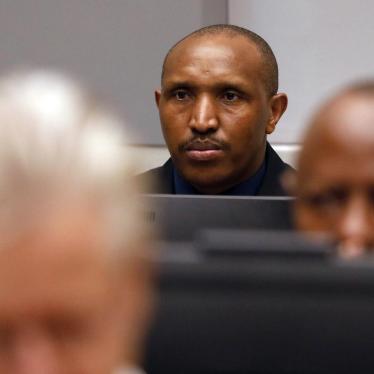
    Bosco Ntaganda, whose armed groups terrorized the eastern Democratic Republic of Congo, was sentenced by the International Criminal Court (ICC) on November 7, 2019, to 30 years in prison for war crimes and crimes against humanity.
    Bosco Ntaganda sits in the courtroom of the International Criminal Court
  • October 24, 2019
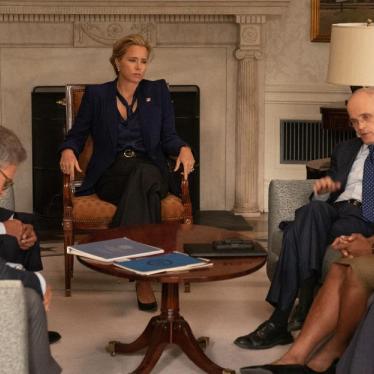
    Last Sunday, CBS aired an episode of its show Madam Secretary focusing on “killer robots” or fully autonomous weapons, an issue Human Rights Watch has worked on since 2012.
    Photo from an episode of Madam Secretary that aired on CBS on October 20, 2019.